Annex 1 Compliance in 2026: What Sterile Pharma Must Prove Every Day
A sterile site can pass a gap check and still fail an inspection. In 2026, regulators expect proof that contamination risks remain under control every day, across every shift and system.
For QA, QC, validation, and site leaders, Annex 1 compliance sterile manufacturing validation GMP updates 2026 is no longer a document exercise. It's about current evidence, sound decisions, and a contamination control strategy that matches real operations. Global regulators keep moving toward aligned, risk-based expectations, reflected in EMA's GMP framework, so broad policy statements won't carry much weight.
What Annex 1 expects in 2026, and why many sites still fall short
Annex 1 now pushes sterile manufacturers past basic compliance. Regulators expect one connected system that links facility design, people flows, process steps, cleaning, utilities, monitoring, and quality oversight. If those parts sit in separate binders with no real connection, the site looks controlled only on paper.
That's where many firms still struggle. A cleanroom may be qualified, environmental monitoring may be active, and SOPs may exist. Still, if teams can't show how each control supports sterility assurance, inspection risk rises fast.
Contamination Control Strategy is now the center of sterile GMP
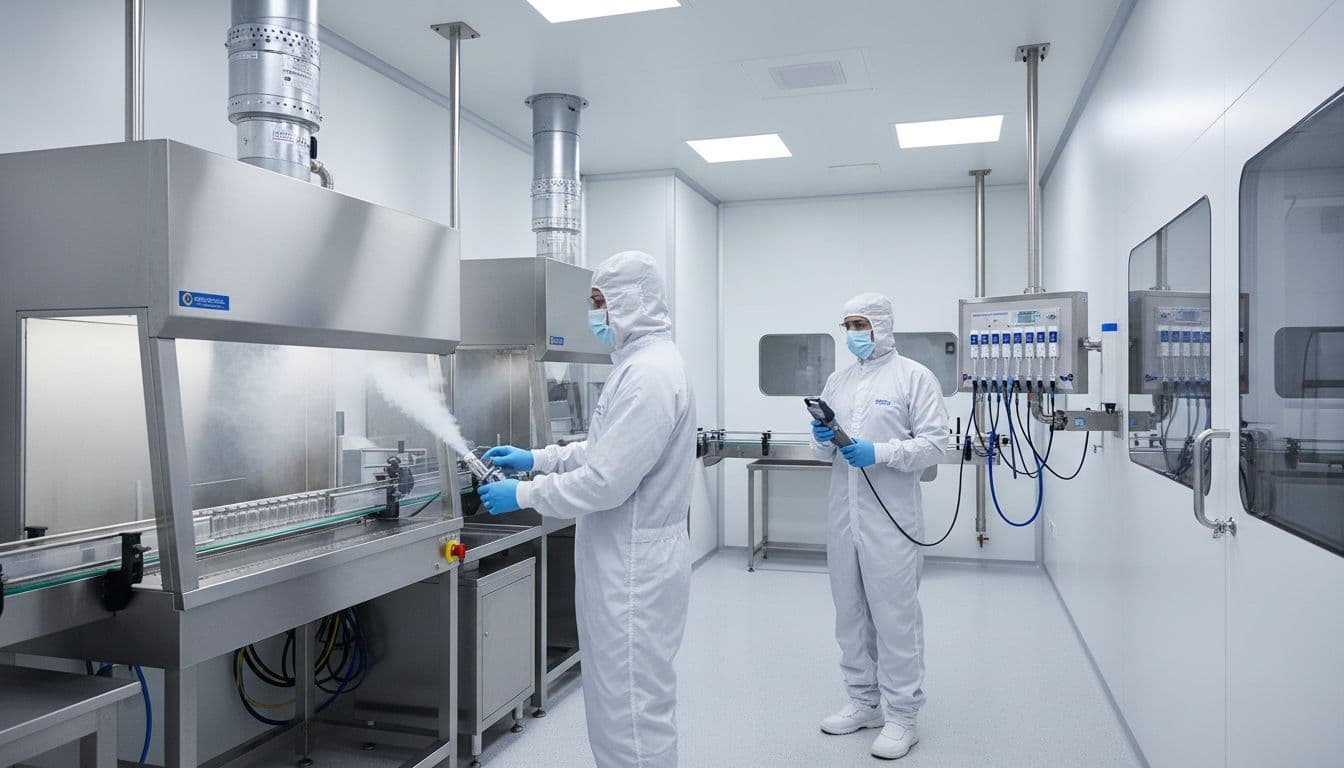
A good CCS is the main map for sterile control. It should explain your site's risks, your design choices, your key interventions, your monitoring plan, personnel practices, cleaning and disinfection approach, utilities, and how you review performance over time.
Just as important, it must be current. A copied template won't help when a regulator asks why one line uses a certain intervention pattern or why a utility alert limit changed. Your CCS needs site-specific logic tied to actual operations, recent data, and named owners.
The biggest compliance gaps are usually in practice, not on paper
The weak spots are familiar. Smoke studies may look polished but fail to reflect real interventions. Glove and gowning controls may be trained once, then drift in practice. Media fill rationale may miss non-routine events. Trend reports may show results, yet not explain what the site learned from them.
Sites also stumble when deviations and CAPA don't connect back to sterility risk. A deviation closes, but the root issue stays alive. That gap matters because regulators want scientific justification, not only completion dates.
The validation work pharma companies must tighten right now
Validation work needs a fresh look because inspectors now read it as direct evidence of sterility assurance. The focus is not paperwork volume. It's whether the package reflects how the process truly runs and whether the rationale still holds after changes, campaigns, staffing shifts, or equipment updates. That same direction appears in the 2025 to 2027 inspectors work plan, which keeps GMP harmonization and inspection consistency in view.
Revisit aseptic process simulation, airflow studies, and interventions
Media fills should reflect the line you run, not the line you wish you had. That means worst-case conditions, routine and non-routine interventions, full shift length, realistic line speed, staffing patterns, and changeovers where they matter. If the simulation removes hard conditions, it stops being persuasive.
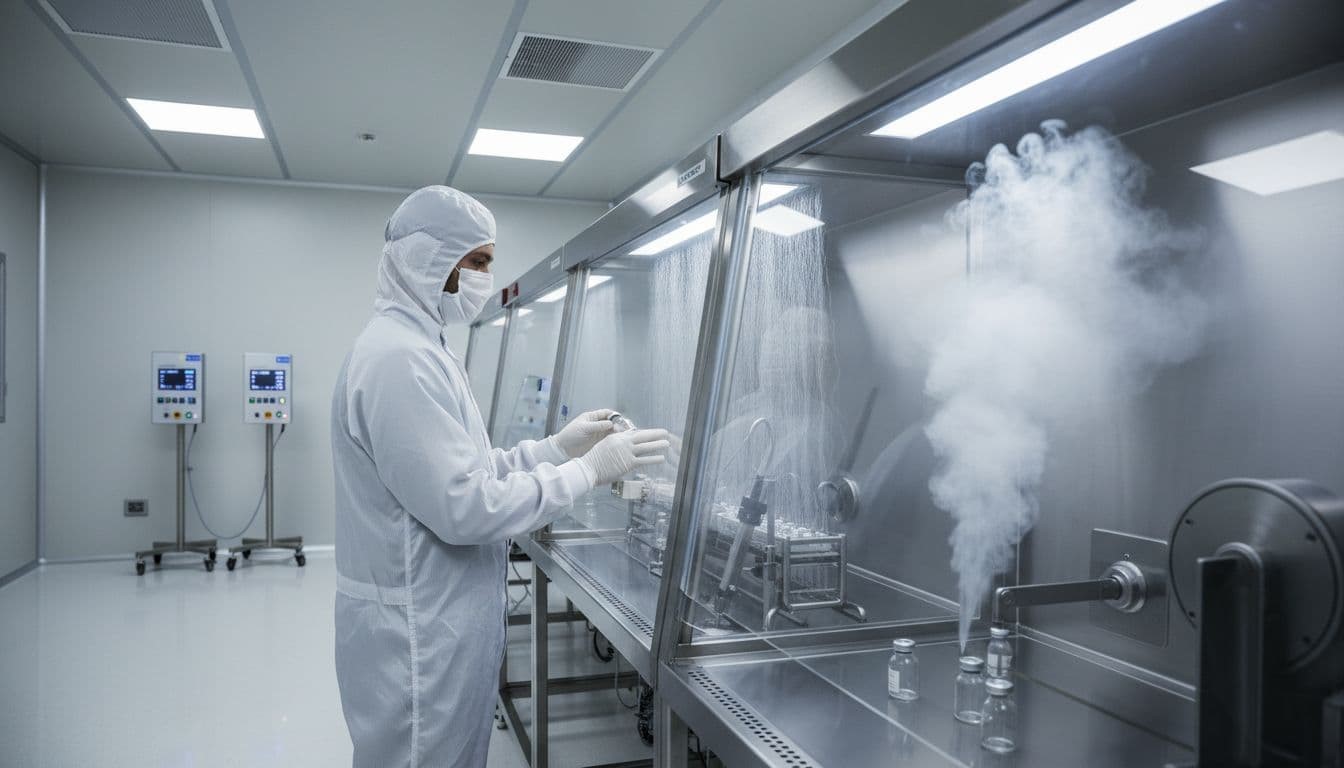
Airflow studies need the same realism. Smoke work should support actual aseptic operations, show repeatable results, and stay linked to line configuration. When equipment moves, interventions change, or barrier set-up shifts, airflow visualization may need to change too. Otherwise, yesterday's study becomes today's weak point.
Strengthen cleaning, sterilization, and filter validation packages
Cleaning validation should show that residues, bioburden, and disinfectant practices remain under control for current products and campaign lengths. Sites should also confirm that hold times and changeovers still fit the approved rationale. Old studies often fall short because the process has moved on while the validation file has not.
Sterilization cycles and filter controls need the same discipline. Teams should be able to explain cycle selection, load patterns, worst-case assumptions, integrity testing, and response to failures in plain language. If a regulator asks why a filter test limit, contact time, or cycle parameter was chosen, the answer should come from current data, not habit.
CQV also improves project handover. Operations receives organized documents, clear open-item lists, and defined maintenance needs. That reduces day-one uncertainty and supports a smoother shift into routine production.
How to build an inspection-ready compliance plan for 2026
Most sites don't need a fresh quality slogan. They need a practical 6 to 12 month plan with owners, due dates, and management follow-up. The goal is simple: close the gaps that matter most for patient risk and inspection exposure.
Start with a risk-based gap assessment and ranked remediation plan
Review the CCS first. Then review validation files, environmental monitoring trends, deviations, change controls, and selected batch records against Annex 1 expectations. Look for breaks between what the site says, what the data show, and what operators actually do.
After that, rank gaps by product risk, patient impact, and the chance that an inspector will focus on them. A ranked plan helps leadership act on the right items first. It also stops teams from spending months polishing low-risk documents while higher-risk practices stay weak.
Train teams to defend decisions with data during inspections
Operators, QA, QC, engineering, and validation staff all need more than task training. They should understand why a control exists, what trend signals matter, and how deviations tie back to sterility assurance. Clear answers build trust. Contradictory answers break it fast.
That training works better when it uses current site examples and solid technical support, such as GMP validation and qualification expertise. It should also include concise trend reports, short technical rationales, and regular management review. The 2026 to 2028 inspectors work plan points to continued alignment and oversight, so teams should expect detailed questions, not general ones.
Get ahead of 2026 now
If your site hasn't re-checked its CCS, media fill rationale, airflow studies, and validation files this year, now is the time.
- Review current Annex 1 readiness against real shop-floor practice.
- Set up a gap assessment, checklist review, or focused compliance support plan.
- Contact your engineering and quality partners now, before the next inspection window closes in.
Annex 1 compliance now depends on connected systems, current validation, and disciplined daily execution. Sites that update the CCS, close evidence gaps, and train teams to explain their decisions will be in a stronger position for both inspections and product quality.
If you need help tightening environmental control and supporting data, targeted support such as thermal mapping for cleanrooms can strengthen the story your records tell. Start now, because sterile compliance in 2026 is measured in what your site can prove today.

Our Clients







What They’re Saying


Saumil Bhatt
CEO, Cubic Pharmaceutical
Aditya Kulkarni
Principal Consultant, Sushvin Consultancy
Saumil Bhatt
CEO, Cubic Pharmaceutical
Aditya Kulkarni
Principal Consultant, Sushvin Consultancy